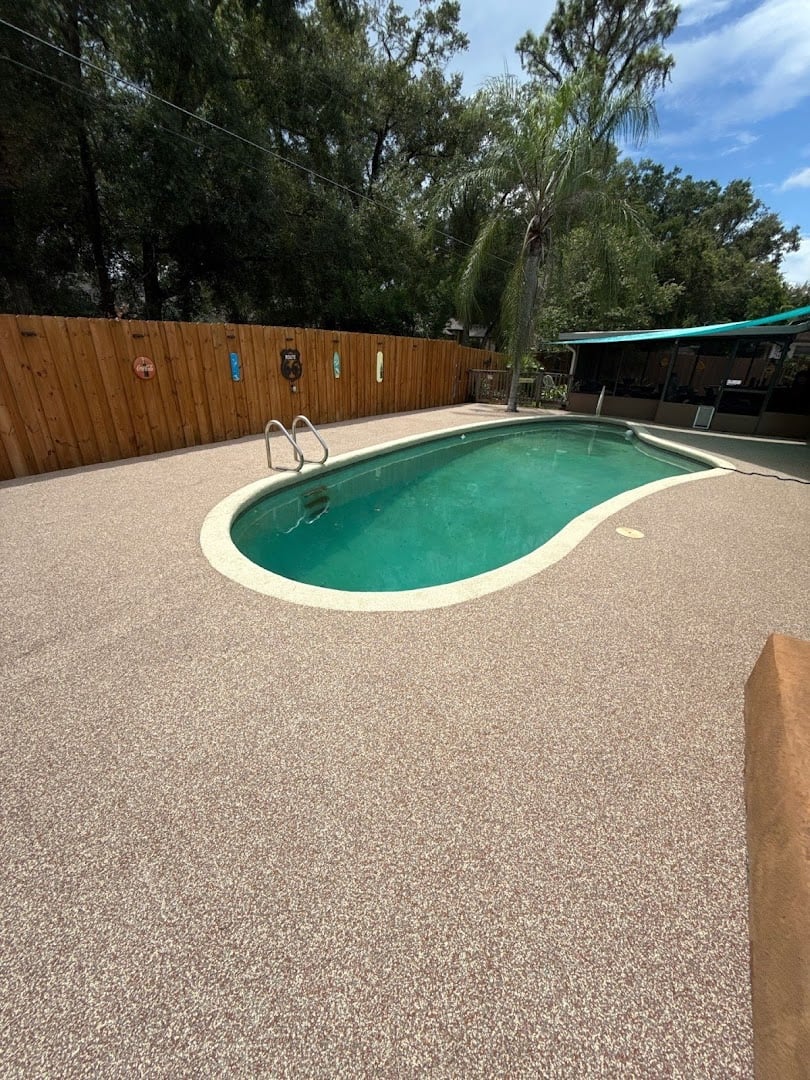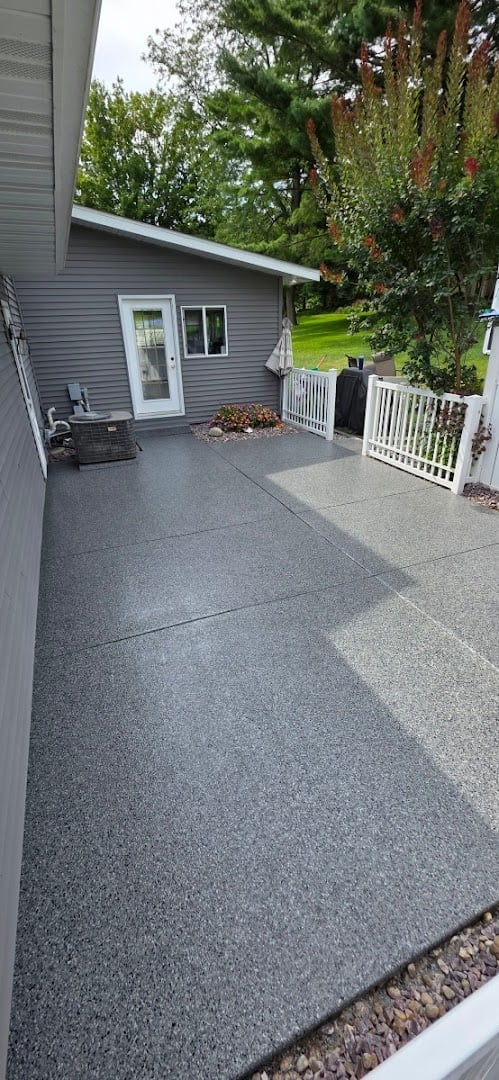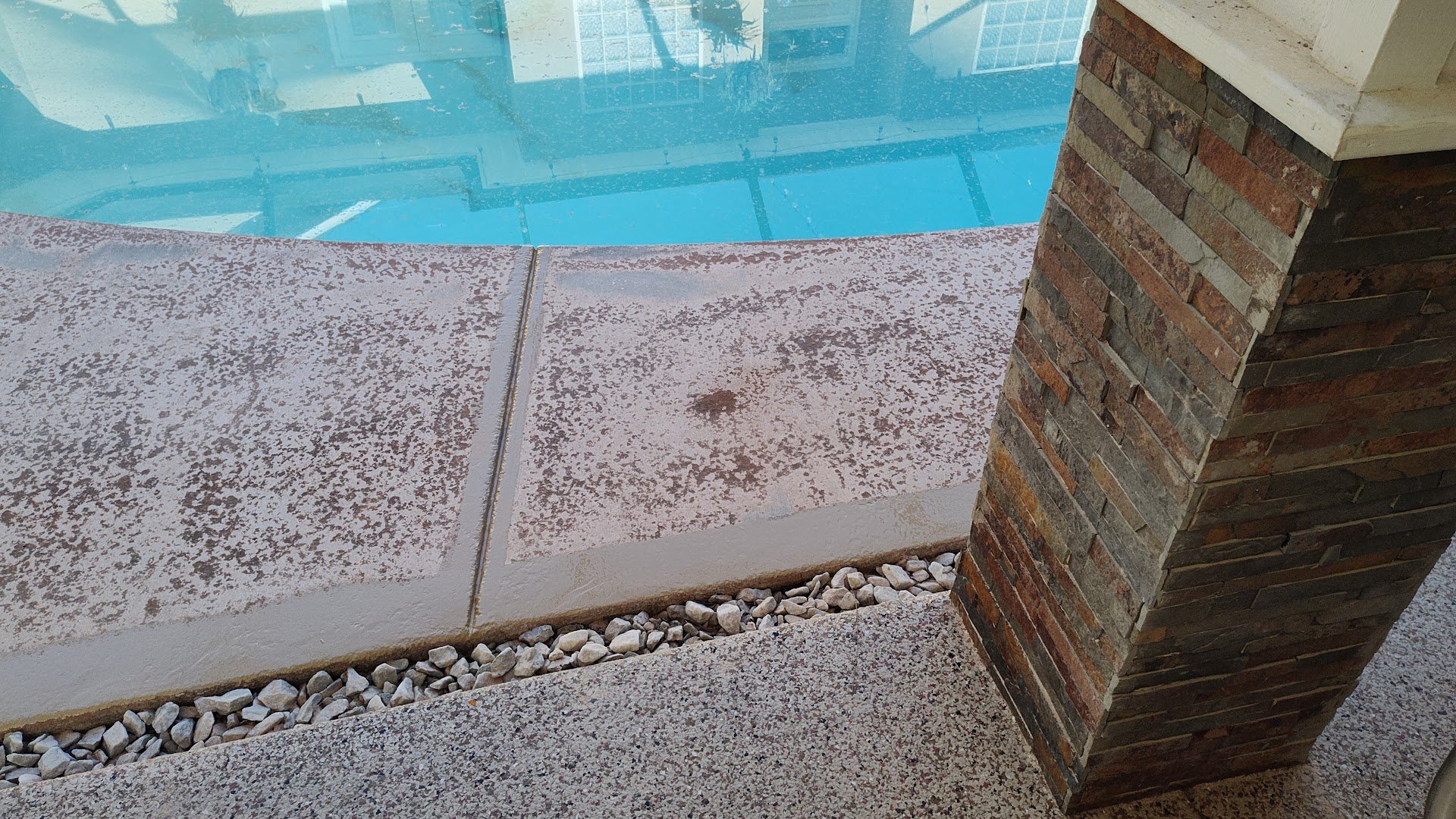
Stamped cement, often referred to as stamped concrete, is a popular choice for homeowners looking to add aesthetic appeal and durability to their outdoor surfaces. From elegant patios and inviting pool decks to robust driveways and walkways, its ability to mimic natural stone, brick, or wood textures makes it incredibly versatile. This decorative technique involves pressing molds into freshly poured concrete, creating patterns and textures, which are then enhanced with colors and sealers.
While stamped cement offers undeniable beauty and strength, it's natural to have questions before committing to such a significant home improvement. At Ninja Coatings, we understand the nuances of various surface solutions. We've compiled answers to some of the most frequently asked questions about stamped cement to help you make an informed decision for your property.
Frequently Asked Questions About Your Q&A Guide to Durable & Decorative Surfaces
What is the downside of stamped concrete?
While stamped concrete offers significant aesthetic appeal and durability, it does come with certain considerations that homeowners should be aware of. Understanding these potential downsides can help you maintain your investment or explore alternative solutions.
One primary concern is maintenance. To preserve its vibrant color and protect against wear and tear, stamped concrete requires regular sealing, typically every 2-5 years depending on traffic and climate conditions. Neglecting this can lead to fading, staining, and surface degradation. The sealing process itself can be labor-intensive and adds to the long-term cost of ownership.
Another potential drawback is repair complexity. If a section of stamped concrete cracks or becomes damaged, matching the original color and pattern during repair can be challenging. Achieving a seamless repair that blends perfectly with the existing surface often requires skilled professionals and can be more noticeable than repairs on plain concrete.
Stamped concrete surfaces can also be slippery when wet, especially if a high-gloss sealer is used without an anti-slip additive. This is a crucial safety consideration, particularly for areas like pool decks or walkways where moisture is common. While additives can mitigate this, it's something to discuss with your installer.
Finally, like all concrete, stamped concrete is susceptible to cracking. While proper installation, including control joints and adequate sub-base preparation, can minimize this, it's not entirely preventable. Cracks, though often cosmetic, can detract from the aesthetic appeal of the decorative surface.
For those looking for highly durable, low-maintenance, and customizable solutions that can address some of these concerns, exploring advanced coating systems, like those offered by Ninja Coatings, might be a worthwhile alternative or even a way to refresh existing stamped surfaces.
Is stamped concrete cheaper than concrete?
This question often arises from a misunderstanding of what stamped concrete actually is. To clarify, stamped concrete is concrete. The term 'stamped concrete' refers to a decorative technique applied to freshly poured concrete, rather than a different material altogether. Therefore, comparing 'stamped concrete' to 'concrete' is essentially comparing a decorative concrete finish to a plain concrete finish.
Given this, the answer is generally no, stamped concrete is not cheaper than plain concrete. The decorative process involved in creating stamped concrete adds significant costs due to several factors:
- Increased Labor: Stamping requires specialized skills and more intensive labor than simply pouring and finishing plain concrete. The timing of the stamping process is critical, and it often involves a larger crew.
- Specialized Materials: Beyond the basic concrete mix, stamped concrete requires additional materials such as integral colors, broadcast color hardeners, release agents (which prevent the stamps from sticking and add secondary color), and high-quality sealers. These materials contribute to the overall project cost.
- Equipment and Tools: The stamps themselves are specialized molds that represent an investment for contractors, and this cost is factored into the project.
- Design Complexity: More intricate patterns, multiple colors, or custom designs will naturally increase the cost compared to simpler patterns.
While the initial outlay for stamped concrete is higher than for plain concrete, many homeowners find the enhanced aesthetic appeal and increased property value to be a worthwhile investment. It transforms a functional surface into a beautiful design element for patios, driveways, and other outdoor spaces. However, if budget is the primary concern and a decorative finish is desired, exploring other coating options might also be beneficial.
How long will stamped concrete last?
The longevity of stamped concrete is one of its most appealing features, and with proper care, it can last for many years, often comparable to or even exceeding the lifespan of plain concrete. Generally, you can expect a well-installed and properly maintained stamped concrete surface to last anywhere from 20 to 30 years or even longer.
However, several factors significantly influence its lifespan:
- Quality of Installation: This is perhaps the most critical factor. Proper sub-base preparation, correct concrete mix, appropriate thickness, and expert application of the stamping and coloring processes are essential. A professional installer will ensure adequate drainage and include control joints to manage potential cracking.
- Maintenance and Sealing: Regular cleaning and reapplication of a high-quality sealer are vital. The sealer protects the surface from UV rays, moisture, stains, and abrasion, preserving both the color and the integrity of the concrete. Neglecting sealing is the quickest way to shorten its lifespan and diminish its appearance.
- Environmental Factors: Harsh weather conditions, such as extreme temperature fluctuations, freeze-thaw cycles, and heavy rainfall or snowfall, can put stress on the concrete over time. Areas with heavy foot or vehicle traffic will also experience more wear.
- Type of Use: A stamped concrete driveway will typically endure more stress and require more diligent maintenance than a low-traffic patio or walkway.
While stamped concrete is a durable solution, it's important to remember that even the best installations can show signs of wear over decades. Fading, minor surface cracks, or spalling can occur. For those looking to protect their investment or even revitalize an aging stamped concrete surface, advanced coating systems can offer an additional layer of protection, enhance durability, and provide a fresh, new look. Ninja Coatings specializes in solutions that can extend the life and beauty of various concrete surfaces.
How much does a 20x20 stamped concrete patio cost?
Estimating the exact cost for a 20x20 stamped concrete patio can be challenging without specific project details, as pricing varies significantly based on numerous factors. Therefore, we cannot provide an exact figure here, but we can explain the elements that contribute to the overall cost.
A 20x20 patio is a substantial size, totaling 400 square feet, which provides ample space for outdoor living. The cost per square foot for stamped concrete typically ranges higher than plain concrete due to the specialized materials and labor involved. Key factors influencing the price include:
- Geographic Location: Labor and material costs can differ significantly across various regions and states.
- Complexity of the Design: Simple patterns with one color will be less expensive than intricate designs, multiple colors, hand-coloring, or custom motifs. The type of stamp pattern (e.g., flagstone, brick, wood plank) can also influence the price.
- Site Preparation: If the area requires extensive excavation, grading, or removal of existing concrete or other materials, these costs will add to the total. Accessibility to the site also plays a role.
- Concrete Thickness and Reinforcement: Standard patio thickness is usually 4 inches, but if the area needs to support heavier loads or requires rebar or wire mesh for added strength, this will increase material and labor costs.
- Sealant and Finish: The type and quality of the sealer, along with any special finishes like anti-slip additives, will impact the final price.
- Contractor Experience: Highly experienced and reputable contractors may charge more, but their expertise often translates to a higher quality and longer-lasting installation.
Given these variables, providing a general estimate for a 20x20 stamped concrete patio without a detailed assessment would be misleading. To get an accurate understanding of the investment required for your specific project, it is always best to obtain a detailed, on-site quote from a qualified professional. They can assess your specific needs, discuss design options, and provide a transparent breakdown of costs.
Ready to explore durable and beautiful solutions for your outdoor surfaces? Whether you're considering stamped cement or looking for advanced coating options that offer superior protection and aesthetics, Ninja Coatings is here to help. Our experts can guide you through the best choices for your patio, pool deck, driveway, or any other concrete surface.
Contact us today for a free quote and let our team help you achieve the perfect finish for your home.